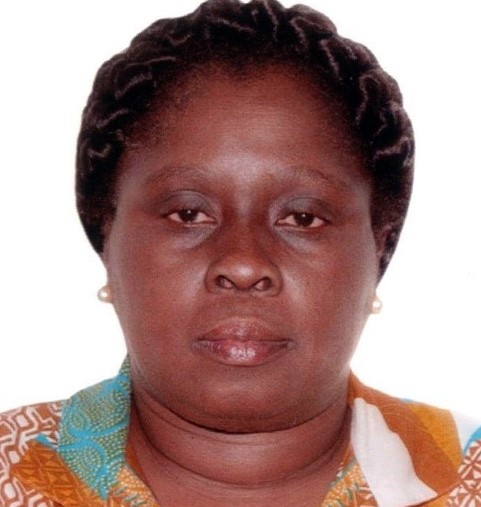

Dr. Rosemond Godbless Dadzie is a Senior Lecturer in Department of Agrifood Systems and Technology, School of Agriculture at the University of Cape Coast, Ghana, with expertise in food science, agro-processing, postharvest technology, food safety and quality management, and product development. Her academic and professional work focuses on transforming locally available agricultural commodities into safe, nutritious, value-added food products.
Her research interests include food product development and optimization, postharvest loss reduction, food processing and preservation, food quality and safety, and the utilization of indigenous and underused crops. A significant aspect of her work involves developing composite flours and nutritious food products, including noodles, bakery products, breakfast and foods. She applies experimental design, sensory evaluation, physicochemical analysis, and statistical optimization in her research.
Dr. Dadzie teaches undergraduate and postgraduate courses in food and agro- processing, food hygiene, food packaging, food safety and quality, postharvest technology, and related fields. She also supervises undergraduate and postgraduate student research and supports students in developing practical, commercially viable food products. In addition to teaching and research, she serves as the Faculty and Examinations Officer in the school of Agriculture and has contributed to the coordination of academic seminars and other activities the same school.
Beyond academia, Dr. Dadzie is the Co-founder of Fountain Foods Ltd., an Agro-processing Company based in Cape Coast. The Company produces value-added food products, including cassava and plantain flours, traditional Ghanaian flour blends, natural mixed spices, groundnut paste, and fermented cereal products. Through this role, she combines scientific knowledge with practical experience in food production, quality assurance, regulatory compliance, entrepreneurship, and agribusiness management.
Dr. Dadzie is passionate about translating research into practical solutions that benefit farmers, food processors, entrepreneurs, and consumers. She has participated in projects that train women agro-processors and smallholder farmers in improved processing, food safety, value addition, and enterprise development. Her work particularly promotes the use of local crops, the reduction of postharvest losses, the creation of livelihood opportunities, and the development of sustainable food systems.
She also contributes to the scientific community as a reviewer for academic journals and participates in research collaborations, grant-funded projects, professional training, and community engagement. Her career reflects a strong commitment to integrating research, teaching, entrepreneurship, and community service to advance food security, nutrition, and agro-industrial development in Ghana and beyond.