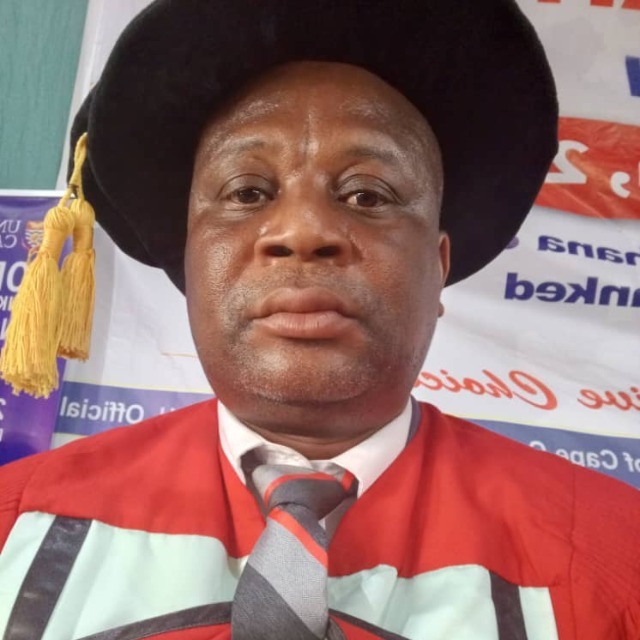
Dr. Bernard Wiafe Akaadom is a Senior Lecturer in the Department of Mathematics & ICT Education at the University of Cape Coast, Ghana, with a PhD in Education and 13 years of comprehensive teaching experience. His research expertise focuses on Educational Technology, Teachers' Knowledge for teaching with Technology, and technology integration in education, with notable publications including his 2023 work on "Basic School Teachers' ICT Knowledge and Skills in Integrating Technology into Teaching and Learning." Throughout his career, he has taught diverse education-related courses spanning curriculum development, assessment methodologies, academic writing, and learning theories at both undergraduate and postgraduate levels. Dr. Akaadom has demonstrated extensive leadership through various roles including Postgraduate Coordinator and Examination and Registration Officer in his department, serving as facilitator for numerous professional development workshops on TPACK, digital devices in teaching, classroom assessment, and technology integration across multiple institutions including UCC, Bunso Cocoa College, and various Colleges of Education in Ghana. His professional service includes supervising teaching practice programs, coordinating courses in ICT integration and curriculum studies, serving as Chief Examiner and Chief Invigilator for various examinations, leading the development of teacher professional ICT learning manuals for Colleges of Education in Ghana, and contributing to community infrastructure development, all reflecting his commitment to advancing educational excellence through technology integration, faculty development, and institutional capacity building at local and national levels.
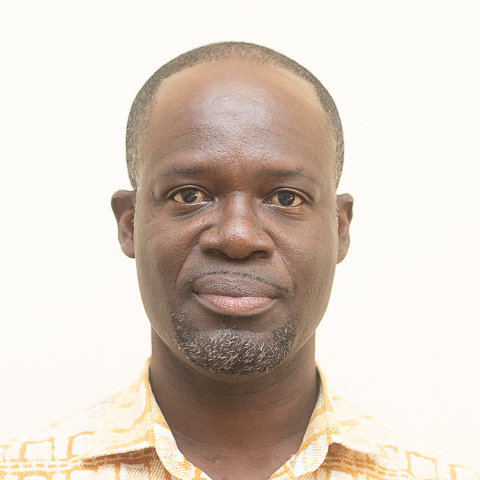
Dr. Bernard Wiafe Akaadom
About
Focus & expertise
Academic interests · number = colleagues who share it
Recent activity
Promoting Innovative Educational Practices for Sustainable Development, School of Educational Development and Outreach (SEDO)
South Africa International Conference on Education
Background
🎓 Education & qualifications
Doctor of Philosophy in Education
University of Fort Hare
2017
Master of Education in Information Technology
University of Cape Coast
2009
Bachelor of Education in Science
University of Cape Coast
2004
★ Career & positions
Departmental Registration & Exams Officer
Department of Mathematics & ICT Education
Sep, 2020 to Aug, 2022
Teaching & projects
My teaching philosophy is grounded in the belief that effective education transforms students from passive recipients of information into active constructors of knowledge. Drawing from over ten years of experience in higher education and my doctoral training in Education, I have developed a pedagogical approach that centers on three interconnected pillars: interactive learning, critical thinking development, and the practical application of theoretical concepts. These elements work harmoniously to create meaningful learning experiences that prepare students not only for academic success but for lifelong professional growth and societal contribution.
I firmly believe that learning is fundamentally a social and collaborative process. In my classroom, I foster interactive learning environments where students are active participants rather than passive observers. This approach recognizes that knowledge is co-constructed through dialogue, debate, and shared inquiry.
My interactive teaching strategies include structured group discussions, peer-to-peer teaching sessions, collaborative problem-solving activities, and technology-enhanced learning experiences. For instance, when teaching curriculum development, I engage students in designing actual curriculum units for real educational contexts, allowing them to work in teams, share diverse perspectives, and learn from each other's experiences. This collaborative approach not only deepens understanding but also develops essential communication and teamwork skills that are crucial for professional success.
Interactive learning in my philosophy also extends beyond the physical classroom. I utilize digital platforms to facilitate ongoing discussions, encourage peer feedback on assignments, and create virtual spaces where students can continue their intellectual exchanges. This approach acknowledges the diverse learning preferences of today's students while building a community of learners that extends beyond traditional temporal and spatial boundaries.
Critical thinking forms the intellectual backbone of my teaching philosophy. I believe that the primary purpose of education is not merely to transmit information but to develop students' capacity to analyze, evaluate, synthesize, and create knowledge independently. In our rapidly changing world, the ability to think critically is more valuable than any specific content knowledge that may become obsolete.
In my courses on assessment methodologies, for example, I challenge students to examine underlying assumptions about measurement and evaluation. Rather than simply presenting different assessment tools, I encourage students to question why certain approaches are privileged, how cultural contexts influence assessment practices, and what ethical considerations emerge in educational measurement. Through Socratic questioning, case study analysis, and structured debates, students develop the intellectual tools necessary to navigate complex educational challenges.
Engagements
📅 Conferences attended
Honors & affiliations
Colleagues & frequently viewed together
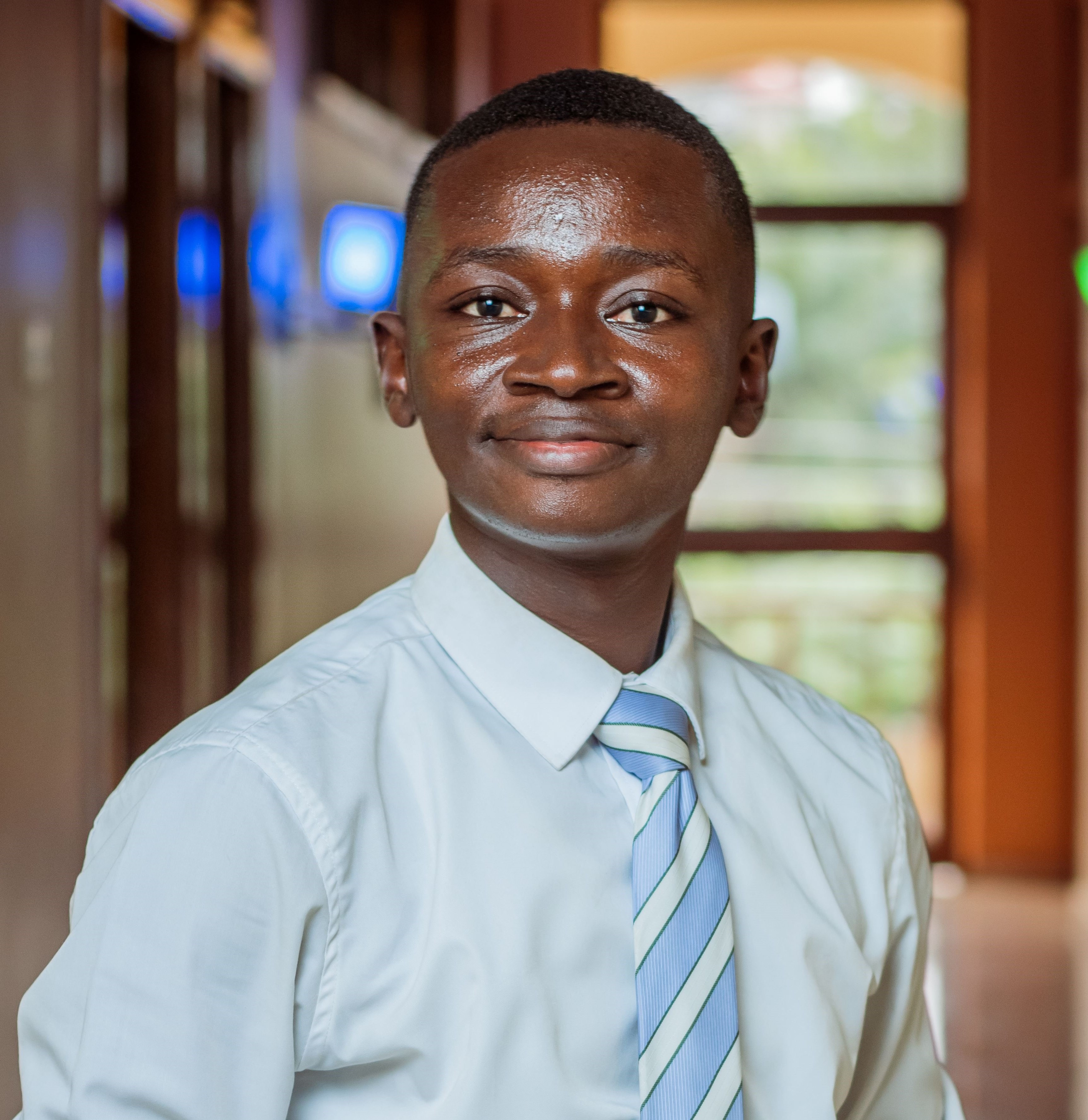
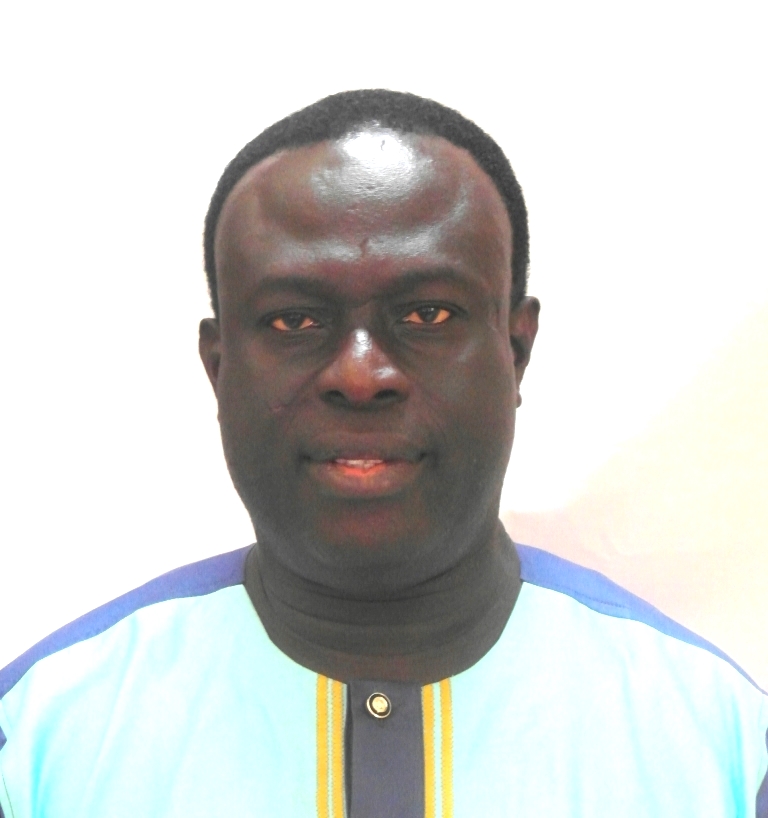 Prof. Eric Magnus Wilmot
Associate Professor · Department of Mathematics & ICT Education
›
Prof. Eric Magnus Wilmot
Associate Professor · Department of Mathematics & ICT Education
›
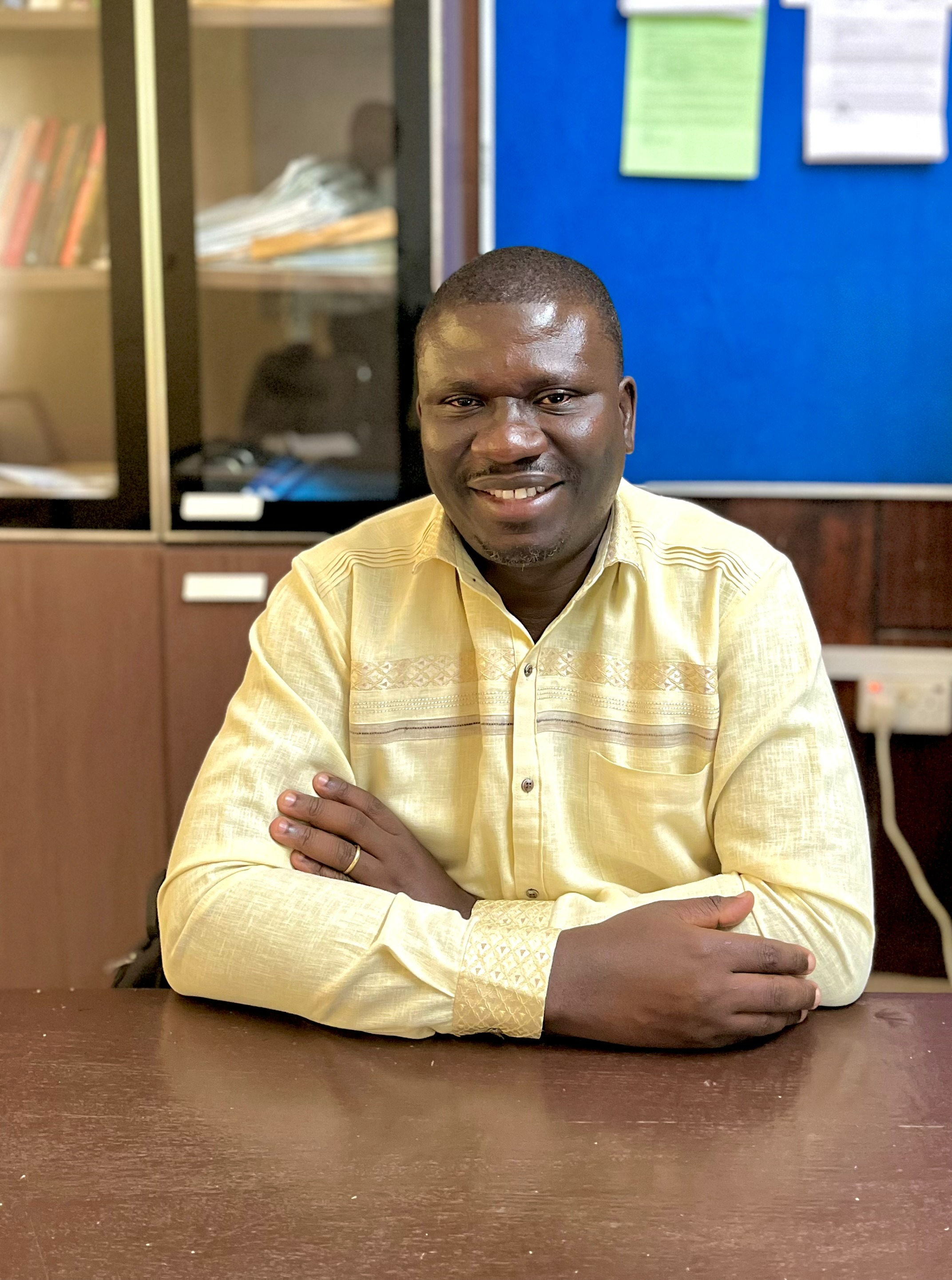 Prof. Forster Danso Ntow
Associate Professor · Department of Mathematics & ICT Education
›
Prof. Forster Danso Ntow
Associate Professor · Department of Mathematics & ICT Education
›
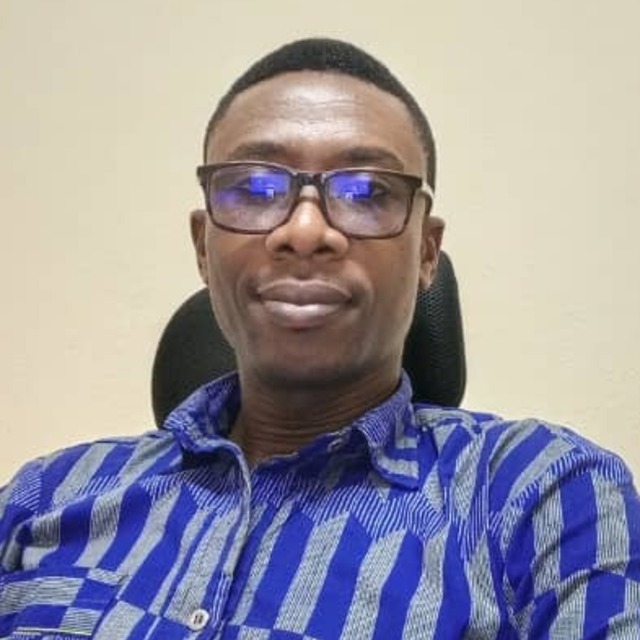
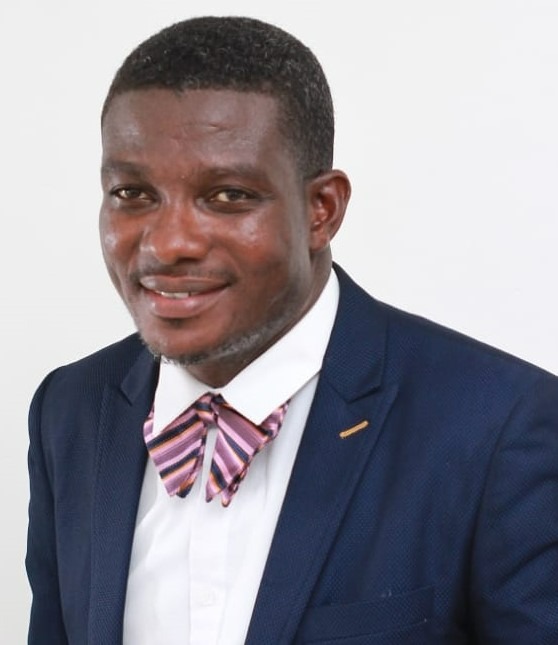 Dr. Christopher Yarkwah
Senior Lecturer · Department of Mathematics & ICT Education
›
Dr. Christopher Yarkwah
Senior Lecturer · Department of Mathematics & ICT Education
›
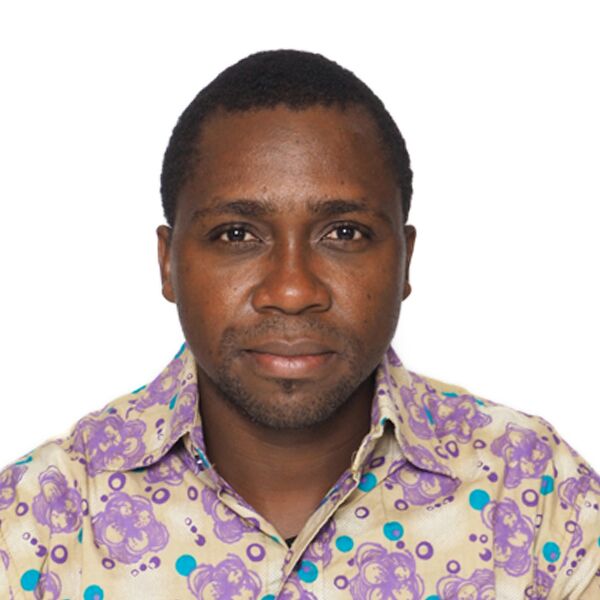 Dr. Simon-Peter Kafui Aheto
Lecturer · Department of Mathematics & ICT Education
›
Dr. Simon-Peter Kafui Aheto
Lecturer · Department of Mathematics & ICT Education
›
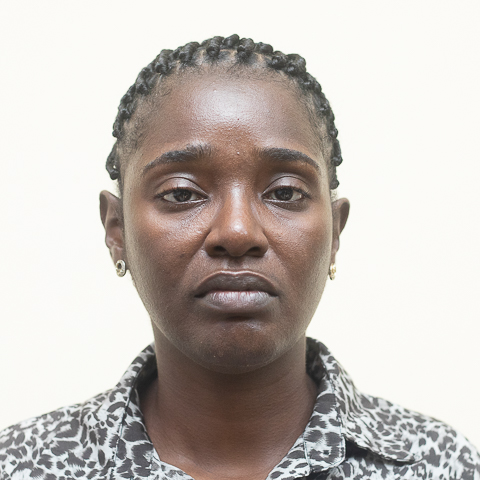 Dr. Rosemary Twum
Senior Lecturer · Department of Mathematics & ICT Education
›
Dr. Rosemary Twum
Senior Lecturer · Department of Mathematics & ICT Education
›
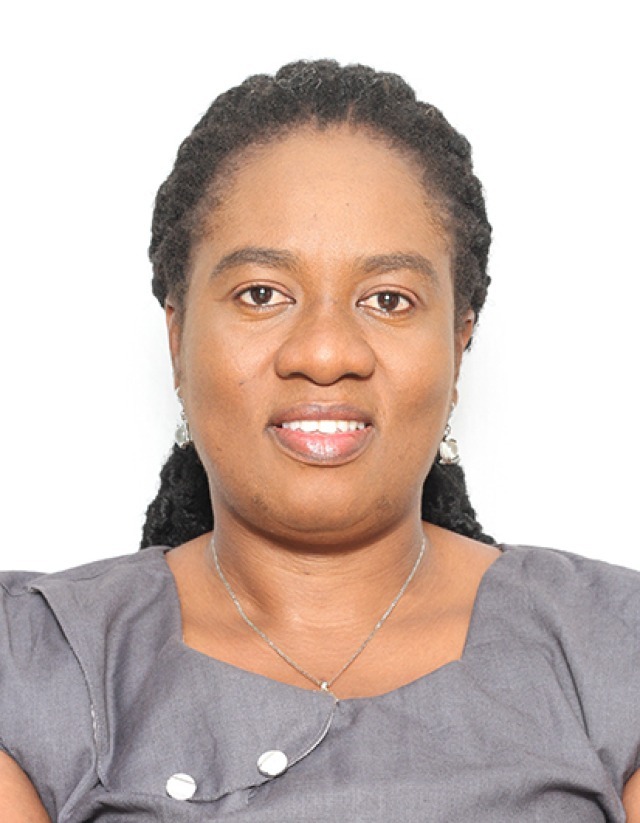 Dr. (Mrs.) Nelly Abaidoo
Senior Lecturer · Department of Mathematics & ICT Education
›
Prof. Eric Magnus Wilmot
Associate Professor · Department of Mathematics & ICT Education
›
Prof. Forster Danso Ntow
Associate Professor · Department of Mathematics & ICT Education
›
Dr. Christopher Yarkwah
Senior Lecturer · Department of Mathematics & ICT Education
›
Dr. Simon-Peter Kafui Aheto
Lecturer · Department of Mathematics & ICT Education
›
Dr. Rosemary Twum
Senior Lecturer · Department of Mathematics & ICT Education
›
Dr. (Mrs.) Nelly Abaidoo
Senior Lecturer · Department of Mathematics & ICT Education
›
Prof. Eric Magnus Wilmot
Associate Professor · Department of Mathematics & ICT Education
›
Prof. Forster Danso Ntow
Associate Professor · Department of Mathematics & ICT Education
›
Dr. Christopher Yarkwah
Senior Lecturer · Department of Mathematics & ICT Education
›
Dr. Simon-Peter Kafui Aheto
Lecturer · Department of Mathematics & ICT Education
›
Dr. Rosemary Twum
Senior Lecturer · Department of Mathematics & ICT Education
›
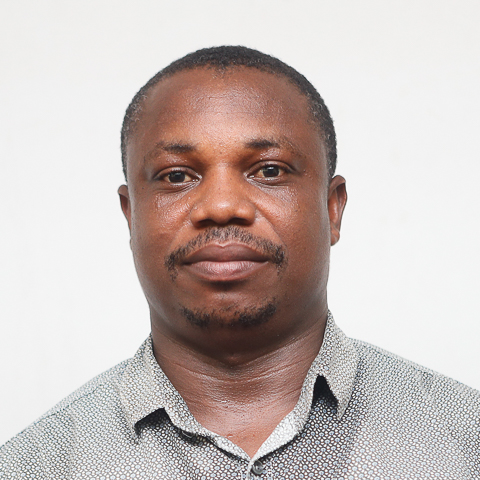 Dr. Isaac Benning
Senior Lecturer · Department of Mathematics & ICT Education
›
Dr. Isaac Benning
Senior Lecturer · Department of Mathematics & ICT Education
›